By Shenay Mbemba
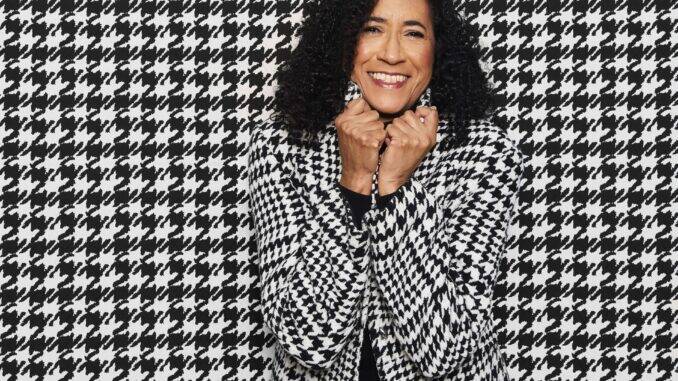
Best known as lead singer of the Bodysnatchers, signed to the 2 Tone record label, Rhoda Dakar has an iconic career that spans decades. Now in her 60s, Dakar has collaborated with the Specials and has an impressive discography. Helping with revolutionising the emergence of reggae and rock music from black, female voices since the 70s has made her a household name for many.
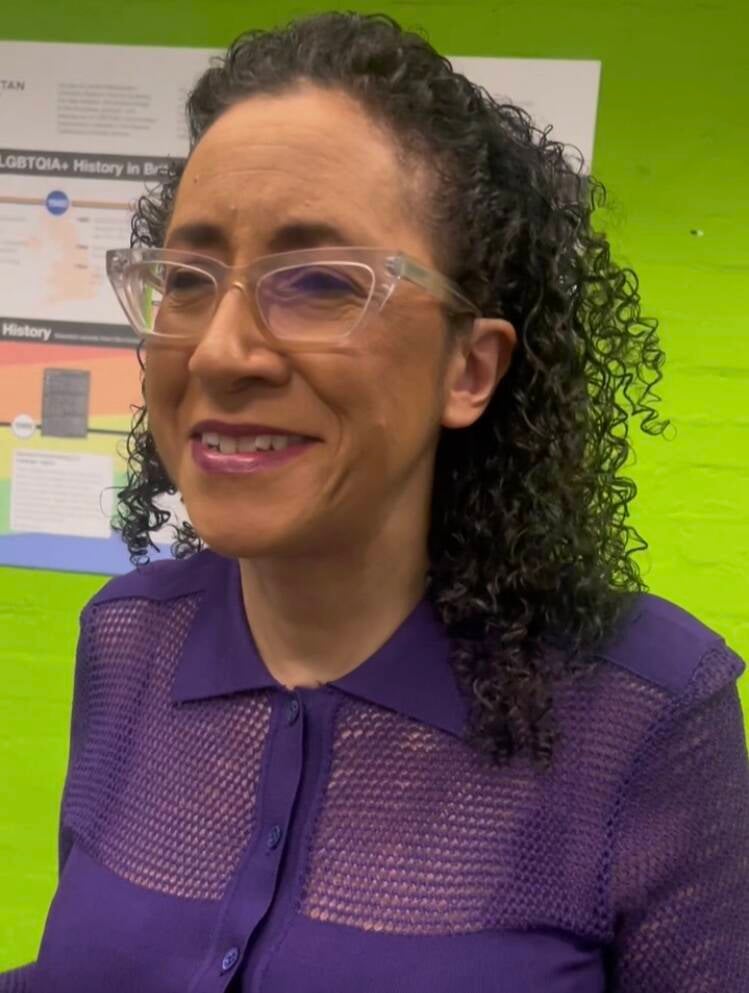
Rhoda Dakar. Photo: Shenay Mbemba
Dakar’s latest project was dropped in August of 2025, In an interview, Dakar was asked how the transitional phase was like from starting in a music group to now working a soloist career.
“Things just happen, don’t they? So you’re in band one one minute, the next minute you aren’t, then you’re in another band and that breaks up, and then you’re wondering what you’re going to do, and so you meet someone who you might write songs with, and it’s kind of like that. The transition is just kind of accidental,” she told a panel about the state of London’s nightlife at London Metropolitan University.
“I guess, given the choice, we might all want to be somebody like the Rolling Stones, making the same music our entire lives, because that’s easier, but developmentally, for musical development, I don’t know how good that would be. Truth is, the transition happens. It’s just like life. A lot happens to you.”
Formed in London in 1979, The Bodysnatchers were one of the few all-female bands at the heart of the British 2 Tone ska revival, a movement that fused Jamaican ska and rocksteady with punk energy and anti-racist youth culture.
Dakar was invited to join after being spotted in the audience by a fellow musician, and the band signed to 2 Tone Records, releasing two singles, “Let’s Do Rocksteady” and “Easy Life”, both of which charted in the UK before the group split in 1980. Their live shows saw them share stages with peers such as The Specials, The Selecter and Toots & The Maytals, cementing Dakar’s early presence in a vibrant musical moment.
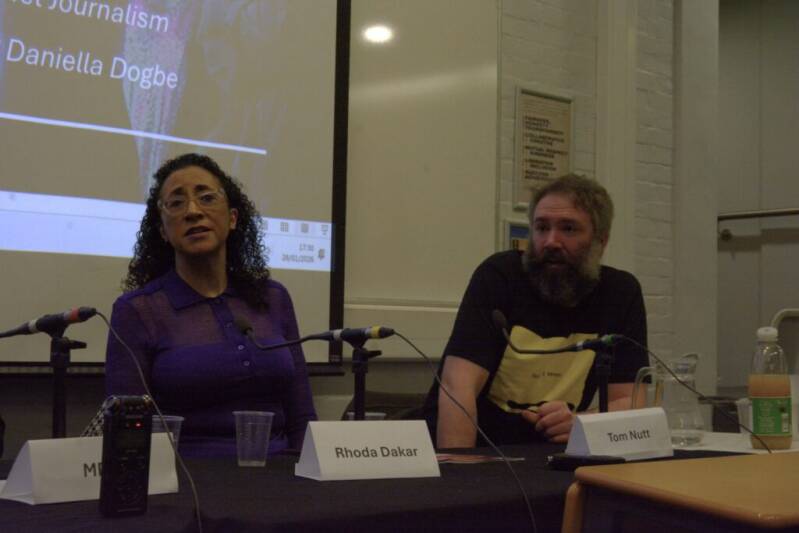
Rhoda Dakar at the LondonMet Journalism’s London Nights: Don’t Turn Out the Lights panel. Photo: Maria Luchhetti
After The Bodysnatchers disbanded, Dakar’s career continued within the broader Specials/Special AKA family. She contributed vocals to The Specials’ More Specials album and went on to record “The Boiler” — a harrowing track about sexual assault. Despite limited airplay owing to its difficult subject matter, the song reached the UK charts.
Aside from working in the music industry, Dakar got into the rhythm of fashion. She previously worked at a hat company in London, and operated it for six months. The job entailed selling hats, involved in international trade shows which also prompted her to learn a little bit of Japanese for communication. She thought it was a cool period in her life.
Speaking at the London Met Journalism panel event London Nights: Don’t Turn Out the Lights, Dakar reflected on how her relationship with nightlife has evolved over time, remaining a constant presence even as it changed shape.
Dakar was candid in her advice to aspiring young artists of this generation.
Add comment
Comments